Buying a home is one of the biggest financial goals for many people.
However, saving for a down payment can feel especially difficult when you are already paying rent every month.
Many renters feel like they are trying to balance two major financial responsibilities at the same time—covering current housing costs while preparing for future homeownership.
Although this challenge is real, it is possible to save for a house down payment while renting with careful planning, consistent saving habits, and realistic financial goals.
You do not need an extremely high income or a perfect financial situation to begin making progress.
Small, consistent actions can gradually build the savings needed for a future home purchase.
This guide explains practical strategies that can help renters save for a down payment while continuing to manage monthly living expenses.
What Is a House Down Payment?
A down payment is the portion of a home’s purchase price that a buyer pays upfront using their own money.
The remaining amount is typically financed through a mortgage or another type of home loan, depending on the country and lender.
For example, if someone purchases a home costing $300,000 and contributes $60,000 from their own savings, that amount represents the down payment.
The exact amount required varies depending on local lending rules, loan programs, and the type of property being purchased.
Understanding your target down payment helps you create a realistic savings plan.
Why Saving While Renting Feels Difficult
Rent is often one of the largest monthly expenses.
After paying rent, utilities, groceries, transportation, insurance, and other necessary bills, it may seem like very little money remains for savings.
Common challenges include:
- High monthly housing costs.
- Rising living expenses.
- Student loan payments.
- Credit card debt.
- Limited disposable income.
- Unexpected emergencies.
- Inflation.
Despite these obstacles, saving becomes easier when it is treated as a regular financial priority rather than something done only when extra money remains.
Start with a Clear Savings Goal
Before saving, determine approximately how much money you want to accumulate.
Your goal may depend on:
- Estimated home price.
- Expected down payment.
- Closing costs.
- Moving expenses.
- Emergency savings after purchasing the home.
Breaking one large goal into smaller milestones often makes the process feel more achievable.
For example:
- First goal: Save $2,000.
- Next goal: Save $5,000.
- Then: Save $10,000.
Reaching smaller milestones provides motivation while moving toward the larger objective.
Understand Your Current Financial Situation
Before deciding how much to save, review your monthly finances.
List all income sources.
Then record your regular expenses.
Examples include:
- Rent.
- Utilities.
- Groceries.
- Transportation.
- Insurance.
- Debt payments.
- Entertainment.
- Subscriptions.
Understanding your current spending helps identify opportunities to increase savings.
Create a Monthly Budget
A budget gives every dollar a purpose.
Begin by covering essential expenses.
Then assign money toward your down payment savings before budgeting for discretionary spending.
A simple budget may include:
| Category | Example |
|---|---|
| Rent | Housing costs |
| Utilities | Electricity, water, internet |
| Groceries | Food |
| Transportation | Fuel or public transit |
| Insurance | Health, vehicle, renters insurance |
| Savings | House down payment |
| Entertainment | Movies and hobbies |
| Miscellaneous | Other planned expenses |
Planning your savings before optional spending increases the likelihood of reaching your goal.
Treat Savings Like a Monthly Bill
Many people save only after paying every other expense.
Unfortunately, little money often remains.
Instead, consider treating your house savings like any other monthly obligation.
Schedule a transfer to your savings account shortly after receiving your income.
By making savings automatic, you reduce the temptation to spend that money elsewhere.
Open a Separate Savings Account
Keeping house savings separate from everyday spending can make it easier to stay focused.
A dedicated savings account provides several advantages.
It helps you:
- Track progress.
- Reduce unnecessary withdrawals.
- Stay motivated.
- Separate emergency savings from home savings.
- Build consistent saving habits.
Many people find it easier to avoid spending money that is stored in a dedicated account with a clear purpose.
Automate Your Savings
Automation removes much of the decision-making from saving.
Instead of remembering to transfer money manually each month, schedule automatic transfers.
Even modest automatic contributions can accumulate significantly over several years.
Consistency often matters more than saving large amounts occasionally.
Reduce Unnecessary Spending
Saving for a home usually requires making spending decisions more intentional.
Review discretionary expenses such as:
- Dining out.
- Streaming subscriptions.
- Impulse shopping.
- Coffee purchases.
- Entertainment.
- Online shopping.
Reducing these expenses does not require eliminating all enjoyment.
Small adjustments made consistently can create additional room for savings.
Increase Savings When Income Increases
Whenever your income grows through:
- Salary increases.
- Bonuses.
- Freelance work.
- Tax refunds.
- Gifts.
- Side businesses.
Consider directing at least part of the additional income toward your house fund.
Increasing savings without increasing lifestyle spending can shorten the time required to reach your goal.
Track Your Progress
Monitoring your savings regularly provides motivation.
Some people enjoy watching their balance grow each month.
Others prefer tracking progress using milestones or percentages.
Whichever method you choose, reviewing your progress helps maintain focus during a long-term savings journey.
Build an Emergency Fund First
Although buying a home is an exciting goal, maintaining an emergency fund remains important.
Unexpected expenses such as medical bills, vehicle repairs, or temporary job loss can interrupt your savings plan.
Having emergency savings allows you to handle these situations without using money already reserved for your future home.
Separating emergency savings from your house fund helps protect both financial goals.
Reduce Housing Costs If Possible
Rent is often the largest monthly expense for people saving to buy a home.
Reducing housing costs, even temporarily, can free up additional money for your down payment fund.
Possible options may include:
- Moving to a less expensive apartment.
- Sharing housing expenses with a roommate.
- Negotiating a lease renewal when appropriate.
- Choosing a smaller living space.
- Relocating closer to work to reduce transportation costs.
Any savings from reduced housing expenses can be redirected toward your future home purchase.
Create a Down Payment Savings Plan
Instead of saving randomly, create a structured plan.
Start with your target amount.
Next, decide when you would like to purchase a home.
Then calculate approximately how much you need to save each month.
For example:
Target savings:
$30,000
Time available:
Five years
Monthly savings goal:
Approximately $500
Breaking a large goal into manageable monthly contributions often makes saving feel less overwhelming.
Save Windfalls Instead of Spending Them
Unexpected money provides an excellent opportunity to accelerate your savings.
Examples include:
- Tax refunds.
- Work bonuses.
- Cash gifts.
- Profit from selling unused items.
- Freelance projects.
- Overtime earnings.
Rather than treating these funds as extra spending money, consider depositing some or all of them into your down payment account.
Large one-time deposits can significantly shorten your savings timeline.
Review Your Budget Regularly
Your financial situation may change over time.
Review your budget every month to determine whether you can increase your savings.
Questions to ask include:
- Have my expenses decreased?
- Has my income increased?
- Are there subscriptions I no longer use?
- Can I reduce discretionary spending?
- Can I save more this month?
Small improvements made consistently can have a meaningful impact over several years.
Avoid Taking on New Debt
New debt may reduce the amount of money available for savings.
Examples include:
- Financing expensive electronics.
- Purchasing a new vehicle beyond your budget.
- Carrying large credit card balances.
- Taking unnecessary personal loans.
Limiting new debt allows more income to be directed toward your home savings goal.
Continue Paying Existing Debts Responsibly
If you already have loans or credit cards, continue making payments according to the agreed schedule.
Reducing debt over time may improve your overall financial position before applying for a mortgage.
Balancing debt repayment with consistent savings often provides a stronger financial foundation.
Separate Wants from Needs
Saving for a house often requires making thoughtful spending decisions.
Before making discretionary purchases, ask yourself:
- Do I truly need this?
- Will this purchase delay my home savings?
- Could I wait and buy it later?
- Would I rather own this item or move closer to buying a home?
Making these comparisons regularly helps align everyday spending with long-term financial priorities.
Use Budgeting Methods That Support Saving
Several budgeting approaches work well for renters saving toward homeownership.
Examples include:
- Zero-based budgeting.
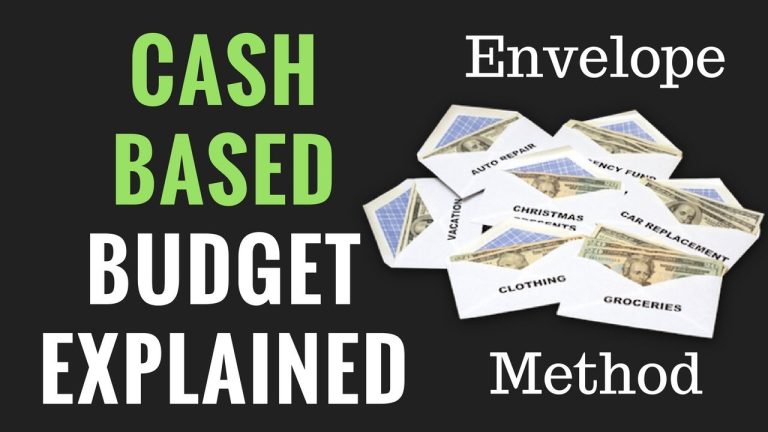
- Envelope budgeting.
- Pay yourself first.
- Weekly spending plans.
- Needs versus wants budgeting.
The specific method matters less than consistently following your budget.
Choose the system that best matches your lifestyle and financial habits.
Consider a High-Yield Savings Account
Some people choose to keep their down payment savings in a high-yield savings account.
Compared with many traditional savings accounts, these accounts may offer higher interest rates, allowing your savings to grow through compound interest while remaining relatively accessible.
Interest rates, account requirements, and terms vary by financial institution, so comparing available options before opening an account can be worthwhile.
Prepare for Homeownership Expenses
A down payment is only one part of purchasing a home.
Additional costs may include:
- Closing costs.
- Moving expenses.
- Furniture.
- Utility setup.
- Home maintenance.
- Initial repairs.
- Property taxes where applicable.
- Home insurance.
Including these future expenses in your savings plan helps create a more complete financial picture.
Common Mistakes People Make
Many future homebuyers encounter similar challenges while saving.
Examples include:
- Waiting until extra money remains before saving.
- Spending bonuses instead of saving them.
- Ignoring small daily purchases.
- Mixing home savings with everyday spending.
- Underestimating additional home-buying costs.
- Increasing lifestyle spending after receiving a raise.
- Becoming discouraged by slow progress.
Avoiding these habits can help you stay on track.
Benefits of Saving While Renting
Although balancing rent and savings can be difficult, consistent saving provides several advantages.
Examples include:
- Greater financial confidence.
- Reduced dependence on borrowing.
- Better preparation for homeownership.
- Improved budgeting habits.
- Stronger emergency savings.
- Increased financial discipline.
These habits remain valuable long after purchasing a home.
Staying Motivated During a Long Savings Journey
Saving for a home often takes several years.
Maintaining motivation can be challenging.
Helpful ideas include:
- Tracking monthly progress.
- Celebrating savings milestones.
- Visualizing your future home.
- Reviewing your goals regularly.
- Increasing savings whenever possible.
Remember that steady progress is often more important than saving large amounts occasionally.
Every contribution moves you closer to your goal.
Signs Your Savings Plan Is Working
As your financial habits improve, you may notice positive changes such as:
- Your savings balance increases each month.
- Spending becomes more intentional.
- Impulse purchases become less common.
- Emergency savings remain separate from your home fund.
- Budgeting feels easier.
- Financial stress gradually decreases.
These improvements usually happen through consistent habits rather than dramatic lifestyle changes.
Real-Life Examples of Saving for a House While Renting
Understanding the process becomes easier when looking at practical examples.
Example One: A Young Professional
Daniel rents an apartment and dreams of buying his first home within five years.
Instead of waiting until the end of each month to save whatever is left, he schedules an automatic transfer to a dedicated house savings account every payday.
Whenever he receives a salary increase or annual bonus, he adds part of that extra money to his down payment fund.
Although the monthly contributions seem modest, they grow steadily over several years.
Example Two: A Married Couple
Sophia and James both work full-time while renting a small apartment.
They create a shared budget and identify several expenses they can reduce, including dining out, unused subscriptions, and impulse shopping.
The money they save each month is transferred directly into a separate account dedicated to their future home.
By reviewing their budget regularly, they gradually increase their monthly savings without making extreme lifestyle changes.
Example Three: A Freelancer
Emma works as a freelance photographer, so her income changes from month to month.
She bases her monthly budget on a conservative estimate of her income.
During busy months, she saves more than her planned amount.
During slower months, she continues making smaller contributions while protecting her emergency fund.
This flexible approach allows her to continue making progress toward homeownership despite variable earnings.
Frequently Asked Questions
How much should I save for a down payment?
The amount depends on factors such as the expected home price, local lending requirements, loan program, and your personal financial goals.
Researching typical down payment expectations in your area can help you establish a realistic savings target.
Should I save for a down payment or pay off debt first?
The answer depends on your overall financial situation.
Many people work toward both goals simultaneously by making required debt payments while consistently contributing to their house savings.
The best approach varies depending on the type of debt, interest rates, and long-term financial priorities.
Can I save for a house while paying rent?
Yes.
Many homeowners purchased their first home after years of renting.
Although balancing rent and savings requires careful budgeting, consistent monthly contributions can gradually build a down payment over time.
Where should I keep my down payment savings?
Many people prefer keeping this money in a dedicated savings account separate from everyday spending.
The right account depends on your financial goals, expected purchase timeline, and the account features offered by financial institutions.
How long does it take to save for a down payment?
There is no universal timeline.
The time required depends on your savings goal, income, monthly contributions, investment or savings strategy, and overall financial circumstances.
Consistent saving usually has a greater impact than making occasional large deposits.
Should I stop saving if unexpected expenses occur?
Unexpected expenses are a normal part of life.
Rather than abandoning your savings plan, adjust your monthly contributions temporarily if necessary and resume your regular savings schedule as soon as your financial situation improves.
Common Myths About Saving for a Down Payment
Many renters believe homeownership is impossible because of common misconceptions.
Myth: You Need a Very High Income to Buy a Home
While income plays an important role, successful homeownership often depends just as much on budgeting, saving consistently, and managing money responsibly.
Many buyers reach their goals through steady progress rather than unusually high earnings.
Myth: Renting Means You Can Never Save
Paying rent certainly affects your budget, but many renters save successfully by treating house savings as a regular monthly expense and reducing unnecessary discretionary spending.
Myth: Saving Small Amounts Does Not Matter
Small contributions add up over time.
Regular monthly savings combined with interest earnings can produce significant progress over several years.
Myth: Every Extra Dollar Should Be Spent Enjoying Life Today
Enjoying life and saving for future goals do not have to conflict.
A balanced budget allows room for both planned enjoyment and consistent progress toward homeownership.
Tips for Reaching Your Goal Faster
While every financial situation is different, these habits can help accelerate your savings.
- Increase your monthly savings whenever your income grows.
- Save bonuses, tax refunds, or other unexpected income.
- Review your budget every month.
- Avoid unnecessary debt.
- Reduce recurring expenses where practical.
- Keep your house savings separate from everyday spending.
- Continue building your emergency fund.
- Stay focused on your long-term goal.
Even small improvements can shorten the time required to reach your target.
Signs You Are Making Good Progress
As your savings plan develops, you may notice encouraging changes.
These include:
- Your house savings balance grows consistently.
- Budgeting becomes part of your monthly routine.
- Spending decisions become more intentional.
- Emergency expenses no longer interrupt your savings completely.
- You feel more confident about your financial future.
- Large purchases are planned rather than impulsive.
- Your overall financial habits improve.
Progress may seem slow at first, but consistency usually produces meaningful results over time.
Final Thoughts
Saving for a house down payment while renting is challenging, but it is an achievable goal with careful planning and consistent financial habits.
Paying rent does not prevent you from building savings—it simply means your budget must balance today’s housing costs with tomorrow’s homeownership goals.
Creating a realistic budget, treating savings like a monthly bill, using a dedicated savings account, reducing unnecessary expenses, automating contributions, and increasing savings whenever your income grows are all practical strategies that can help you move steadily toward your target.
It is also important to remember that purchasing a home involves more than just the down payment.
Planning ahead for closing costs, moving expenses, emergency savings, and ongoing homeownership costs can help you prepare more confidently for the future.
Whether your goal is a home purchase in a few years or further into the future, consistent saving and disciplined budgeting can make steady progress possible.
Every contribution, no matter how small, brings you one step closer to owning a home while building stronger long-term financial habits.