Managing money becomes much easier when you know exactly where every dollar is going.
One budgeting system that has remained popular for decades is the envelope budgeting method.
It is simple, visual, and especially useful for beginners who want better control over spending.
Unlike digital budgeting systems that rely on apps or spreadsheets, the envelope method uses physical cash placed into separate envelopes for different spending categories.
Each envelope represents a specific purpose, such as groceries, transportation, entertainment, or household expenses.
Once the money inside an envelope is gone, spending in that category stops until the next budgeting period.
This simple rule encourages disciplined spending and helps prevent overspending.
This guide explains how the envelope budgeting method works, how to set it up, its advantages and disadvantages, and whether it is still a practical budgeting strategy today.
What Is the Envelope Budgeting Method?
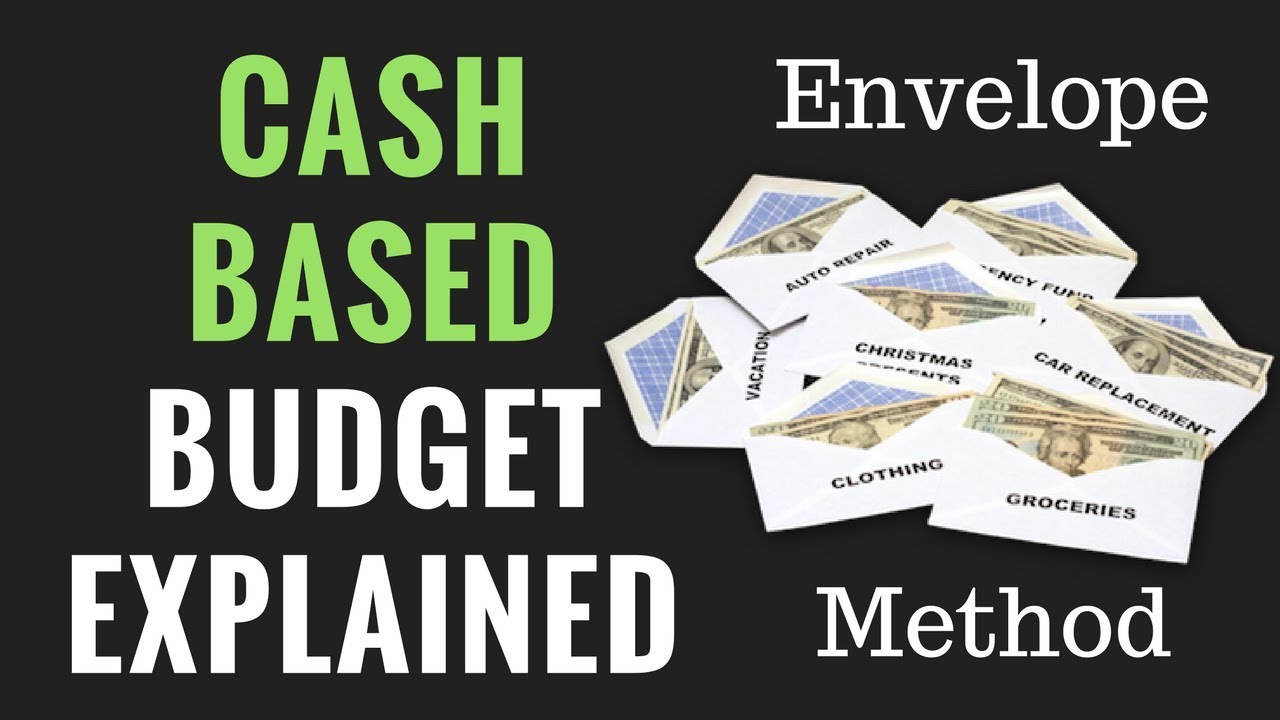
The envelope budgeting method is a cash-based budgeting system where you divide your available money into separate envelopes based on different spending categories.
Each envelope contains the amount of money you have planned to spend for that category during a specific budgeting period, usually one month.
For example, you might have separate envelopes labeled:
- Groceries
- Transportation
- Dining Out
- Entertainment
- Household Supplies
- Personal Care
Instead of paying for these expenses with a debit or credit card, you use the cash stored in the appropriate envelope.
When the envelope becomes empty, you stop spending in that category until the next budget period.
Why Is It Called the Envelope Method?
The name comes from the physical envelopes traditionally used to organize cash.
Each envelope acts as a spending limit.
Rather than keeping all of your cash together, every envelope has a clearly defined purpose.
This makes it easy to see how much money remains for each category without performing complicated calculations.
Although many people now use digital versions of this system, the original method still relies on paper envelopes and cash.
How the Envelope Budgeting Method Works
The process is straightforward.
First, calculate how much money you have available for the month.
Next, identify the spending categories you want to manage.
Then divide your available cash among those categories according to your budget.
Each category receives its own envelope.
Whenever you make a purchase, take the money from the matching envelope.
As the month progresses, each envelope gradually becomes smaller.
The remaining cash shows exactly how much is still available for that category.
Who Should Use the Envelope Budgeting Method?
The envelope method works well for many people, including:
- Beginners learning to budget.
- Families managing household expenses.
- Students.
- People trying to reduce impulse buying.
- Individuals working to control discretionary spending.
- Anyone who prefers using cash instead of cards.
It is particularly helpful for people who frequently exceed their monthly spending limits.
Why the Envelope Method Is Effective
One reason this budgeting method works well is that it creates visible spending limits.
Digital payments can sometimes make spending feel less noticeable.
With cash, every purchase physically reduces the money available inside the envelope.
Watching the cash decrease encourages more thoughtful financial decisions.
Many people become more aware of their spending simply because they can see the remaining balance.
Step One: Calculate Your Monthly Income
Before creating envelopes, determine how much money you have available for the month.
Your available money may include:
- Salary.
- Hourly wages.
- Freelance income.
- Pension payments.
- Scholarships.
- Family support.
- Other regular income.
If your income varies from month to month, consider using a conservative estimate or average income.
Step Two: List Your Monthly Expenses
Next, identify where your money normally goes.
Separate expenses into categories.
Examples include:
- Housing.
- Utilities.
- Groceries.
- Transportation.
- Entertainment.
- Dining Out.
- Clothing.
- Personal Care.
- Household Supplies.
Some expenses, such as rent or loan payments, are usually paid electronically and may not require physical envelopes.
The envelope system is generally most effective for spending categories where cash can realistically be used.
Step Three: Decide Which Categories Will Use Envelopes
Not every expense needs a cash envelope.
Many people reserve envelopes for discretionary or frequently changing expenses.
Common envelope categories include:
- Groceries.
- Fuel.
- Public transportation.
- Restaurants.
- Coffee.
- Entertainment.
- Clothing.
- Personal spending.
- Household items.
- Children’s activities.
Fixed expenses paid automatically often remain outside the envelope system.
Step Four: Assign Money to Each Envelope
After identifying your categories, place the planned amount of cash into each envelope.
For example:
| Envelope | Monthly Amount |
|---|---|
| Groceries | $350 |
| Transportation | $120 |
| Dining Out | $80 |
| Entertainment | $70 |
| Personal Care | $60 |
| Household Supplies | $70 |
Every envelope now has a spending limit.
This becomes your financial plan for the month.
Step Five: Spend Only from the Correct Envelope
Whenever you make a purchase, always use money from the appropriate envelope.
For example:
Buying groceries?
Use the grocery envelope.
Going to a movie?
Use the entertainment envelope.
Purchasing shampoo?
Use the personal care envelope.
Keeping categories separate makes it much easier to understand exactly where your money is going.
What Happens When an Envelope Is Empty?
One of the most important rules of the envelope budgeting method is simple.
When an envelope becomes empty, spending in that category stops until the next budgeting period.
For example, if your dining out envelope originally contained $80 and all of it has been spent, you avoid eating at restaurants until your budget resets.
Some people choose to transfer money from another envelope if absolutely necessary, but doing so should be an intentional budgeting decision rather than a habit.
Frequent transfers may indicate that your original budget needs adjustment.
Example of Envelope Budgeting
Imagine Lisa receives $2,500 each month after taxes.
After paying her rent and utility bills electronically, she decides to use the envelope method for her remaining discretionary spending.
Her envelopes look like this:
| Envelope | Amount |
|---|---|
| Groceries | $300 |
| Transportation | $150 |
| Dining Out | $100 |
| Entertainment | $75 |
| Personal Spending | $125 |
| Household Supplies | $100 |
Throughout the month, Lisa uses only the cash inside each envelope.
Because she can clearly see how much money remains in every category, she becomes more careful with her purchases and avoids overspending.
Why Cash Can Change Spending Habits
Research and everyday experience suggest that paying with physical cash often feels different from using a debit or credit card.
When cash leaves your hand, the transaction feels more tangible.
You immediately notice the remaining money inside the envelope.
This physical feedback encourages many people to think more carefully before making additional purchases.
For individuals trying to reduce impulse spending, this increased awareness can be one of the biggest advantages of the envelope budgeting method.
Advantages of the Envelope Budgeting Method
The envelope budgeting method has remained popular because it offers several practical benefits.
Some of the biggest advantages include:
- Creates clear spending limits.
- Makes overspending more difficult.
- Encourages intentional purchasing.
- Helps reduce impulse buying.
- Makes budgeting simple for beginners.
- Provides a visual reminder of remaining funds.
- Requires little or no technology.
Many people appreciate how easy it is to understand without using complicated financial software.
Possible Disadvantages
Although effective, the envelope method may not suit every situation.
Some possible limitations include:
- Carrying cash may not always be convenient.
- Some purchases require electronic payment.
- Physical cash can be lost or stolen.
- Updating cash envelopes requires manual effort.
- Automatic online subscriptions cannot usually be paid with cash.
For these reasons, some people combine envelope budgeting with digital banking.
Which Expenses Should Use Cash?
The envelope method works best for spending categories where purchases happen regularly and can be controlled.
Examples include:
- Groceries.
- Restaurants.
- Coffee.
- Entertainment.
- Personal shopping.
- Fuel.
- Household supplies.
- Gifts.
These categories often involve discretionary spending, making them ideal for cash budgeting.
Which Expenses Usually Stay Outside the Envelope System?
Certain expenses are typically paid electronically or remain fixed each month.
Examples include:
- Rent or mortgage.
- Utility bills.
- Insurance premiums.
- Loan payments.
- Internet service.
- Mobile phone plans.
- Streaming subscriptions.
- Taxes.
Many people continue paying these expenses through their bank while using cash envelopes for flexible spending.
Can You Save Money Using Envelopes?
Yes.
The envelope method can also be used for saving rather than only spending.
For example, separate envelopes may be created for:
- Emergency fund.
- Vacation savings.
- Holiday shopping.
- Vehicle maintenance.
- Home repairs.
- Education expenses.
- Medical expenses.
Instead of spending from these envelopes, money is added regularly until the savings goal is reached.
Example of Savings Envelopes
Imagine someone wants to prepare for several future expenses.
They create separate envelopes like this:
| Savings Envelope | Monthly Contribution |
|---|---|
| Emergency Fund | $100 |
| Vacation | $50 |
| Holiday Gifts | $40 |
| Car Maintenance | $60 |
| Home Repairs | $50 |
Every month, additional cash is placed into each envelope.
Over time, these envelopes grow into dedicated savings funds for future expenses.
How to Adjust Your Envelopes
Budgets rarely remain exactly the same every month.
If you consistently run out of money in one envelope while another always has cash remaining, your budget may need adjustment.
For example:
If the grocery envelope empties every month but the entertainment envelope still contains extra money, you might decide to increase the grocery budget and reduce entertainment spending.
Making thoughtful adjustments helps create a budget that better reflects your actual spending patterns.
Digital Versions of the Envelope Method
Although the traditional envelope system uses physical cash, many people now apply the same budgeting principles digitally.
Instead of paper envelopes, they create separate spending categories using:
- Banking sub-accounts.
- Budgeting applications.
- Spreadsheet categories.
- Digital wallet features.
The basic principle remains unchanged.
Every dollar receives a specific purpose before spending begins.
Common Mistakes Beginners Make
People using the envelope method for the First time often experience similar challenges.
Examples include:
- Forgetting to create enough spending categories.
- Setting unrealistic spending limits.
- Borrowing money from other envelopes too frequently.
- Failing to refill envelopes consistently.
- Ignoring small cash purchases.
- Carrying too much cash unnecessarily.
Recognizing these habits makes the system easier to maintain.
Tips for Success
The envelope method works best when used consistently.
Helpful habits include:
- Count envelope balances regularly.
- Keep receipts for larger purchases.
- Review your budget every month.
- Adjust categories as your needs change.
- Avoid moving money between envelopes unless necessary.
- Save leftover cash rather than spending it unnecessarily.
These practices strengthen budgeting discipline over time.
Who May Benefit Most?
The envelope budgeting method may be especially helpful for:
- First-time budgeters.
- Students.
- Families.
- Individuals trying to reduce debt.
- People recovering from overspending.
- Anyone wanting greater awareness of daily spending.
The simplicity of the system makes it accessible to people with many different financial situations.
Envelope Budgeting vs Digital Budgeting
Both budgeting methods can be effective.
The best choice depends on personal preference.
| Envelope Budgeting | Digital Budgeting |
|---|---|
| Uses physical cash | Uses electronic accounts |
| Spending limits are visible immediately | Spending tracked through software |
| Simple to understand | Often provides detailed reports |
| Reduces card spending | Convenient for online payments |
| Requires manual organization | Requires technology |
Some people even combine both approaches by using envelopes for discretionary spending and digital tools for fixed monthly expenses.
Signs the Envelope Method Is Working
You may notice several positive improvements after using the envelope system consistently.
Examples include:
- You spend less impulsively.
- You stay within your monthly limits more often.
- Grocery and entertainment spending become more predictable.
- Savings gradually increase.
- Financial stress decreases.
- You become more aware of where your money goes.
These changes usually occur gradually as budgeting becomes part of your regular routine.
Real-Life Examples of Envelope Budgeting
Understanding the envelope budgeting method becomes much easier when you see how it works in everyday life.
Example One: Managing Grocery Expenses
Sarah often spent more than planned on groceries because she added extra snacks and convenience foods to her shopping cart.
She decided to place her monthly grocery budget into a dedicated envelope.
Before each shopping trip, she checked how much cash remained.
As the envelope became smaller, she focused on buying only the items on her shopping list.
By the end of the month, she had reduced impulse purchases and stayed within her grocery budget.
Example Two: Controlling Entertainment Spending
Michael enjoyed going to the movies, eating at restaurants, and attending sporting events.
Without realizing it, entertainment became one of his largest monthly expenses.
He created an entertainment envelope with a fixed amount of cash.
Whenever he planned an activity, he paid only with the money inside that envelope.
Once the envelope was empty, he chose free or low-cost activities until the next month.
This helped him enjoy entertainment without overspending.
Example Three: Saving for Holiday Gifts
Emma wanted to avoid financial stress during the holiday season.
Instead of waiting until the end of the year, she created a holiday savings envelope.
Every month she added a small amount of cash.
When the holidays arrived, she already had money available for gifts without needing to use a credit card.
Frequently Asked Questions
Is the envelope budgeting method only for cash?
Traditionally, yes.
The original method uses physical cash placed into separate envelopes.
However, many people now use digital versions by creating separate spending categories within banking apps or budgeting software while following the same budgeting principles.
What happens if I accidentally spend more than an envelope contains?
Ideally, spending should stop when the envelope becomes empty.
If an unexpected expense occurs, you may choose to transfer money from another envelope.
However, frequent transfers may indicate that your budget categories need adjustment.
Can I use the envelope method if I pay most bills online?
Yes.
Many people use envelopes only for flexible spending categories such as groceries, dining out, entertainment, clothing, and personal expenses while continuing to pay fixed monthly bills electronically.
How many envelopes should I have?
There is no fixed number.
Create only the categories that reflect your spending habits.
Too many envelopes can become difficult to manage, while too few may not provide enough budgeting detail.
What should I do with money left in an envelope at the end of the month?
Several options are available.
You might:
- Leave the money for next month’s budget.
- Transfer it to savings.
- Add it to an emergency fund.
- Apply it toward another financial goal.
The best choice depends on your overall budgeting plan.
Is the envelope method suitable for families?
Yes.
Many families use envelopes to manage groceries, children’s activities, dining out, transportation, and other discretionary expenses.
The system also helps every family member understand spending limits more clearly.
Common Myths About Envelope Budgeting
Many people misunderstand how the envelope method works.
Myth: It Is Outdated
Although the envelope method has existed for many years, its core principle of assigning money to specific spending categories remains highly effective.
Many modern budgeting apps are based on the same concept.
Myth: It Only Works for People with Low Income
People at every income level can benefit from budgeting.
The envelope method is simply a way of organizing spending, regardless of how much money someone earns.
Myth: Carrying Cash Is Always Unsafe
Using reasonable precautions, such as carrying only the amount needed and storing envelopes securely at home, can reduce risks.
Some people also use digital envelope systems instead of physical cash.
Myth: Budgeting Removes Financial Freedom
The opposite is often true.
A clear spending plan allows you to enjoy your money with greater confidence because you know your essential expenses and savings goals have already been considered.
Best Practices for Using Cash Envelopes at Home
If you use physical cash, a few simple habits can make the system safer and easier to manage.
- Store envelopes in a secure location inside your home.
- Label each envelope clearly.
- Count the remaining cash regularly.
- Keep a small record of major purchases.
- Avoid carrying all envelopes when leaving home.
- Update your budget at the beginning of every month.
- Review spending patterns and adjust categories when necessary.
These habits improve both organization and financial awareness.
Signs the Envelope Method Is Helping
After using the system consistently, you may notice positive changes such as:
- You think more carefully before making purchases.
- Impulse buying becomes less frequent.
- Grocery and entertainment spending stay within planned limits.
- Savings increase more consistently.
- You know exactly where your money is going.
- Budgeting feels less stressful.
- Financial goals become easier to achieve.
These improvements usually result from greater awareness rather than major lifestyle changes.
Final Thoughts
The envelope budgeting method is one of the simplest and most effective ways to control spending and build better financial habits.
By dividing your available cash into separate envelopes for specific spending categories, you create clear limits that make it easier to avoid overspending and stay within your monthly budget.
The system works especially well for flexible expenses such as groceries, dining out, entertainment, personal shopping, and household supplies.
It can also be adapted for savings goals by creating envelopes for future expenses like holidays, emergencies, vacations, or home repairs.
Although many people now use digital banking and electronic payments, the principles behind envelope budgeting remain just as valuable today.
Whether you choose physical cash envelopes or a digital version, assigning every dollar a purpose before spending encourages greater financial awareness and more intentional decision-making.
With consistent use, regular budget reviews, and realistic spending categories, the envelope budgeting method can help reduce impulse buying, improve savings habits, and make managing your money feel simpler and more organized.
It is a practical budgeting strategy for beginners and experienced budgeters alike who want greater control over their finances.